Dependable Excavation Contractor Services for Your Next Project
Finding a dependable excavation contractor is vital for any construction project. The ideal contractor can positively influence efficiency, safety, and overall quality. Key factors include years of experience, quality of equipment, and testimonials. Understanding these considerations is essential for making a well-reasoned choice. As projects differ in scope, knowing what to emphasize becomes critical. What standards should be reviewed to guarantee a successful outcome?
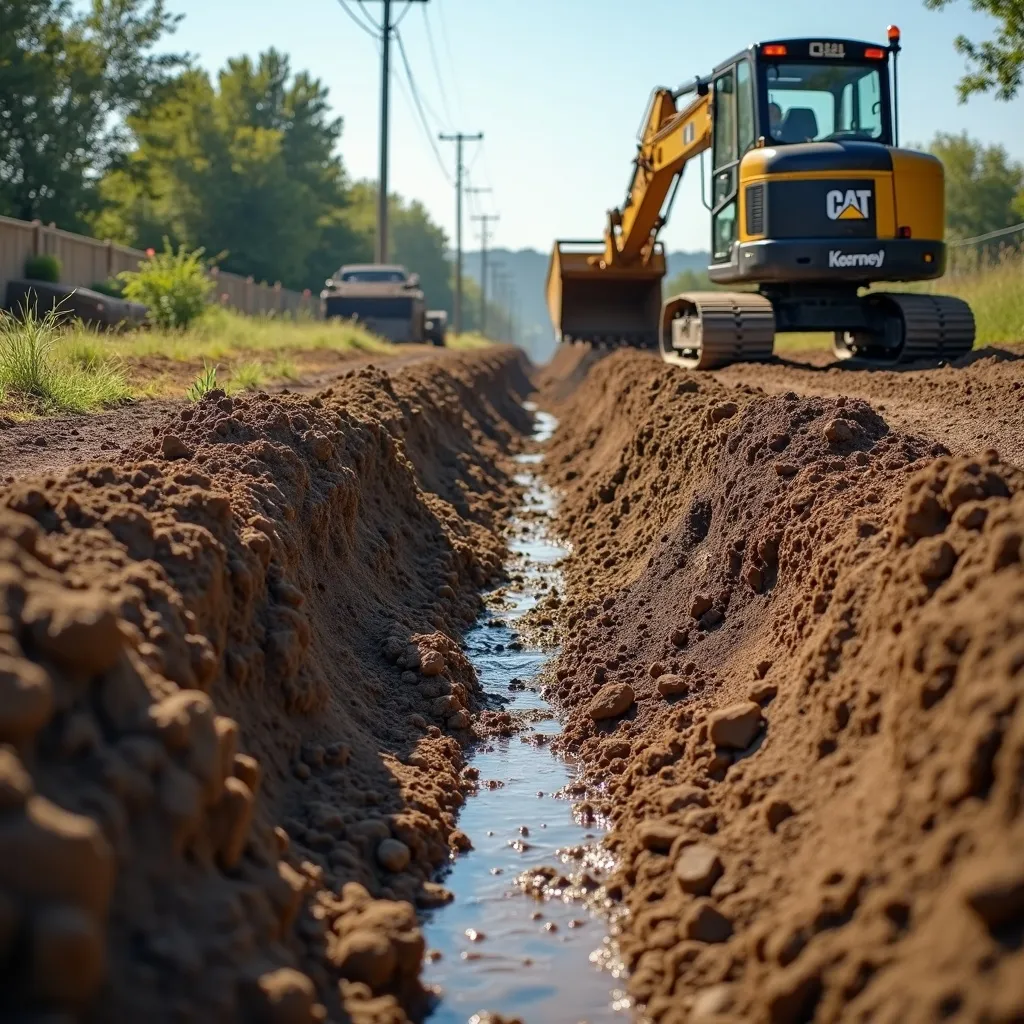
Key Considerations for Hiring an Excavation Company
When selecting an excavation contractor, what important elements should one take into account? First, it is essential to assess the contractor's experience and competence in undertaking related assignments. A established contractor typically has the necessary proficiency to overcome challenges efficiently. Next, one should inspect the contractor's credentials and protection, ensuring compliance with regional regulations and security from potential liabilities.
In addition, collecting references and reviews from former customers can illuminate the contractor's trustworthiness and service quality. Cost estimates are a major factor; however, the lowest bid does not always promise the superior service. It is crucial to assess the cost against the contractor's documentation reputation and track record. Ultimately, strong communication is paramount; a contractor who is accessible and communicative can significantly enhance the project's success. By taking these criteria into account, individuals can make well-informed choices when picking an excavation contractor for their unique needs.
Ways to Find the Perfect Excavation Services
Picking the right excavation solutions requires a careful examination of project specifications to verify compatibility with distinct requirements. It is also important to verify the contractor's licensing and insurance to prevent foreseeable risks. These actions lay the foundation for a successful excavation undertaking.
Analyze Venture Standards
Assessing project requirements is vital for choosing the right excavation services. This involves understanding the particular demands of the project, such as the excavation type necessary—whether residential, commercial, or industrial. Moreover, reviewing the project's scale and difficulty helps establish the necessary equipment and expertise. Site conditions, including soil type and accessibility, also constitute vital factors in decision-making. Evaluators must take into account the completion schedule and any environmental regulations that may affect excavation undertakings. Gathering input from architects, engineers, or project managers can better explain requirements. By thoroughly reviewing these factors, stakeholders can appoint an excavation contractor capable of handling their unique demands, ensuring a smoother project implementation and curtailing potential complications.
Confirm Licensing And Insurance
Ensuring licensing and coverage is crucial for the safety and legality of excavation projects. A licensed contractor demonstrates their compliance to local regulations and industry standards, which is important for lowering risks. Insurance coverage, including liability and worker’s compensation, guards both the contractor and the client in case of incidents or damages during the excavation process. Clients should verify proof of these credentials and validate their authenticity through appropriate regulatory agencies. Moreover, understanding the details of the insurance policies can provide added confidence. By giving priority to these factors, clients can make informed decisions, ensuring their projects progress smoothly and within legal parameters, ultimately safeguarding their investments and encouraging a professional working relationship with the contractor.
Examining Contractor Expertise and Credibility
Excavation contractors are evaluated mainly on their experience and track record, which act as cornerstones in the process. The experience of a contractor is often indicated by the breadth and scope of previous projects, signaling their ability to handle diverse challenges. Analyzing how many years a contractor has been in operation can also provide clues about their consistency and reliability.
Reputation, by contrast, is molded by client commentary and industry standing. Internet ratings and client feedback can uncover the contractor's pledge to excellence and customer pleasure. Additionally, requesting endorsements from industry peers can add an extra layer of assurance.
It is crucial to investigate any past disputes or negative feedback, as these can reveal potential issues. By carefully assessing both expertise and track record, clients can take well-founded choices, ensuring that their excavation projects are in competent hands.
Why Correct Machinery Is Vital in Excavation
The success of excavation projects is greatly shaped by the quality of equipment used. Reliable machinery not only enhances efficiency but also guarantees safety on site. High-quality excavators, bulldozers, and loaders can carry out tasks with precision, reducing the likelihood of errors that may lead to costly delays. Moreover, advanced equipment often features improved technology, such as GPS and automated systems, which refine operations and allow for more accurate measurements.
Using old or inadequately serviced machinery can lead to more downtime and higher repair costs, negatively impacting project timelines. Additionally, good equipment reduces environmental disruption and improves compliance with regulations, which is crucial in today's construction landscape. Ultimately, allocating resources toward premium digging machinery is essential for accomplishing project goals effectively and within budget. Choosing a contractor with access to contemporary, properly serviced equipment can significantly impact the overall success of excavation projects.
How Much to Set Aside for Excavation
When planning an digging operation, managing finances properly is essential to avoid unexpected costs and guarantee seamless completion. Key components to consider comprise labor, equipment, and materials. Labor costs often constitute a significant portion of the budget, determined by the project's complexity and the skill level needed. Equipment rental or purchase also plays a significant role, with expenses differing based on the type and duration of use. Additionally, area readiness and disposal of excavated materials should be factored in, as these can generate additional fees.
Reserve funds are recommended, typically ranging from 10% to 20% of the total budget, to handle unforeseen challenges. Local regulations and permitting fees may also impact costs, making it crucial to conduct thorough research before completing the budget. By accounting for these elements, project managers can create a practical budget plan that facilitates smooth project execution and minimizes financial surprises.
How to Examine Feedback and Feedback for Service Providers
When assessing reviews and testimonials for excavation contractors, it is vital to examine star ratings to gauge overall contentment. Noting trends in feedback can reveal persistent strengths or weaknesses across different projects. Additionally, depending on verified sources guarantees that the information is reliable and not distorted by prejudiced views.
Review Star Ratings
How can prospective customers effectively gauge the standard of excavation contractor offerings through ratings? Ratings function as a quick benchmark for evaluating contractor dependability and results. Typically, a higher star rating indicates increased customer contentment, while lower ratings may indicate potential issues. Customers should take into account the overall rating average alongside the quantity of reviews; a high rating founded on few reviews may be less reliable than a slightly lower rating with a substantial number of testimonials. Furthermore, it's crucial to differentiate between ratings founded on quality of service, interaction, and timelines for project completion. By thoroughly examining these star ratings, clients can make more informed choices when selecting an excavation contractor for their projects.
Look For Patterns
Spotting tendencies in reviews and feedback can offer valuable insights into a contractor's effectiveness and reliability. When studying feedback, it is critical to identify recurring subjects, both positive and negative. Favorable feedback about prompt project completion, quality workmanship, and effective communication can suggest a contractor's positive attributes. Conversely, multiple notes of missed schedules, subpar customer care, or inadequate safety measures may highlight possible red flags. It is also useful to analyze the setting of the reviews, noting shifts over time or changes in contractor behavior. By synthesizing these observations, clients can make educated choices and choose a contractor who meets their project needs and expectations, ultimately enhancing the likelihood of a successful outcome.
Count on Validated Sources
Relying upon trusted authorities is important in the undertaking of selecting an excavation professional. Feedback and recommendations can offer useful information into a contractor's credibility and standard of service. Prospective business partners should search for reviews from established platforms, verifying that the information is authentic and not manipulated by the contractor. It is advantageous to search for comprehensive descriptions that underscore particular elements of the contractor's performance, such as timeliness, communication, and cost management. Consistent positive feedback from multiple sources can demonstrate a dependable contractor. Conversely, warning signs, such as many unfavorable comments or vague testimonials, require careful consideration. By concentrating on verified reviews, clients can choose wisely and select a service provider that fulfills their requirements effectively.
Common Inquiries Asked Frequently
What Forms of Ventures Necessitate Excavation Contractor Support?
Professional excavation contractor services are vital for many projects, including residential construction, commercial developments, road construction, landscaping, utility installation, demolition, and environmental remediation. Each project necessitates professional expertise to guarantee safety and compliance with requirements.
How much time does an excavation project usually take?
An construction excavation generally takes anywhere from a few days to several weeks, subject to factors such as project scope, site conditions, and permitting requirements. Sophisticated projects may add to timelines considerably due to unpredicted setbacks.
What Safeguard Protocols Should Field Professionals Establish During Trenching Operations?
Contractors ought to adopt safety measures comprising site assessments, proper signage, protective gear, trench supports, and regular inspections. Supporting effective communication and worker education for all workers also minimizes risks connected to excavation activities.
Are There Environmental Regulations for Excavation Work?
Yes, there are environmental regulations governing excavation work. Contractors are obligated to follow local, state, and federal laws that protect ecosystems, manage waste, and maintain minimal impact on air and water quality during excavation activities.
Can I perform digging tasks on my own instead of hiring a contractor?
An individual may execute excavation work independently; nevertheless, it necessitates significant understanding of safety protocols, equipment operation, and local regulations. Without proper knowledge, the risks of injury or legal issues may overshadow potential savings.